
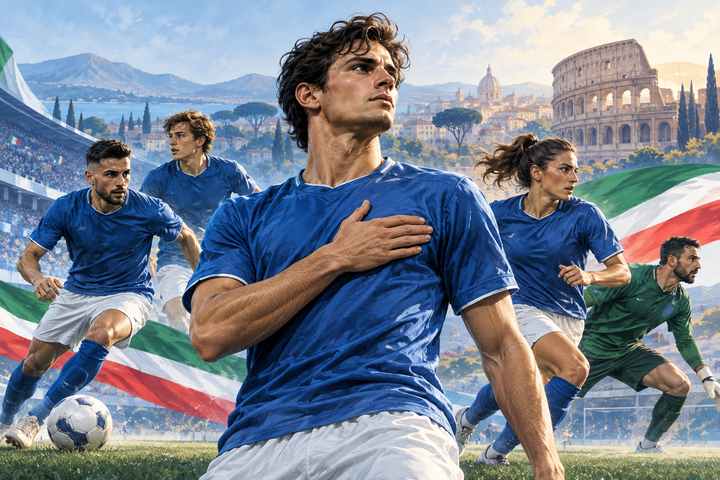
The time when the first cups arrived
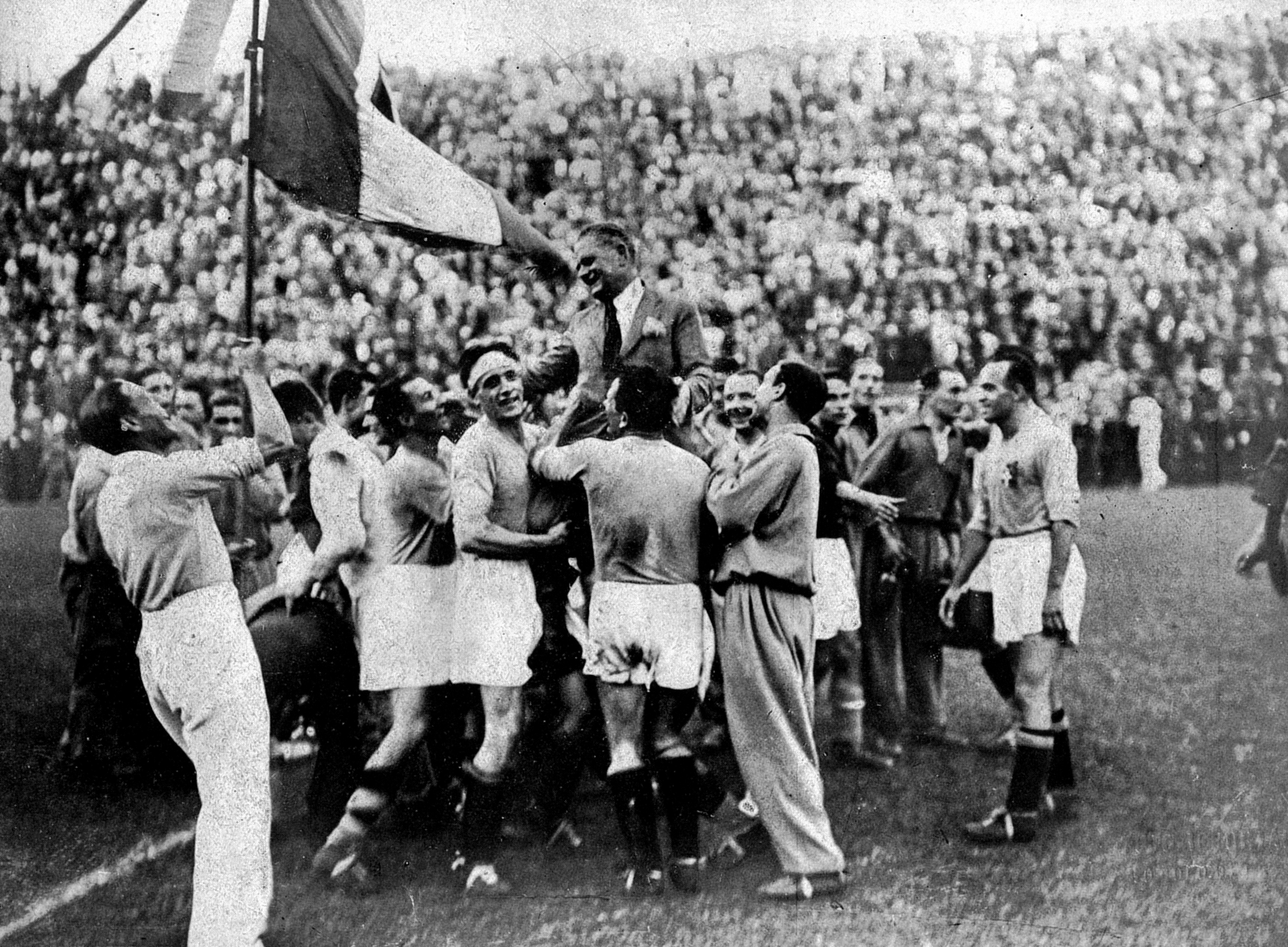
Before the World Cup won, there was a confrontation between some of the strongest schools in Central Europe. The successes in the 1927–1930 and 1933–1935 editions show a National by now far from the uncertainties of pioneers. Italy was not only learning from others: it began to impose itself.
Vittorio Pozzo's team turned that growth into the world titles of 1934 and 1938. The first came to Rome against Czechoslovakia, beat 2–1 after the additional; the second in Paris, with 4–2 at Hungary. It was two different victories, united by the continuity of a guide and by players capable of forming one of the most important seasons in blue history. Their political context belongs to the story of those years and should not be confused with the only sporting result.
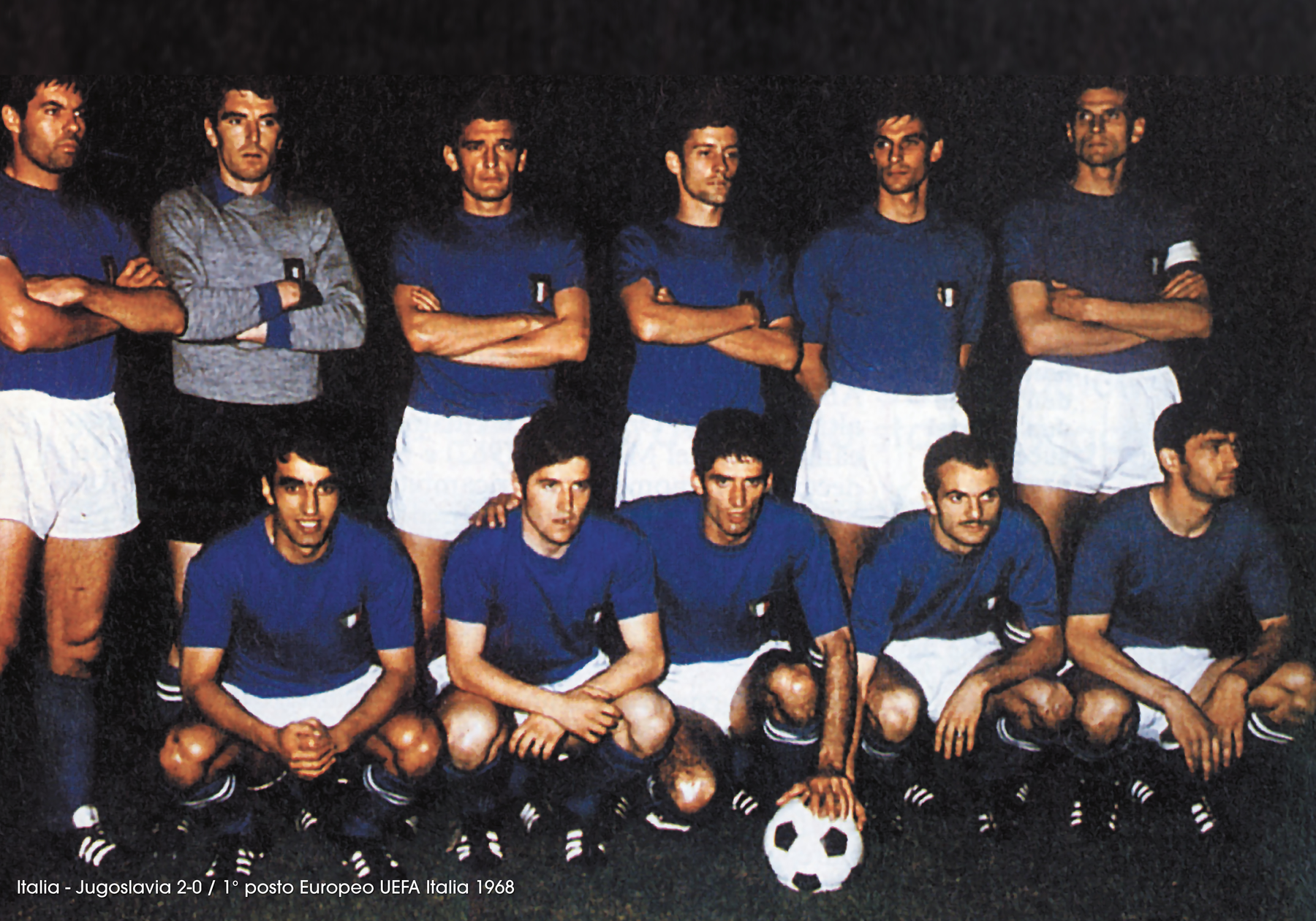
Thirty years later, a cup in Rome
The time between the second World Championship and the first European was long and difficult. When Italy returned to victory in 1968, the trophy also tasted a rediscovered trust. The final with Yugoslavia was not exhausted in an evening: the tie required a second game.
Riva and Anastasi scored in the repetition, and on 2–0 he gave Italy his first continental title. That success did not remain an isolated episode in the team's path: two years later, Mexico's World Final arrived, preceded by 4–3 to West Germany. The palmarès records a cup and a second place; the memory also keeps together the quality and emotions of that generation.
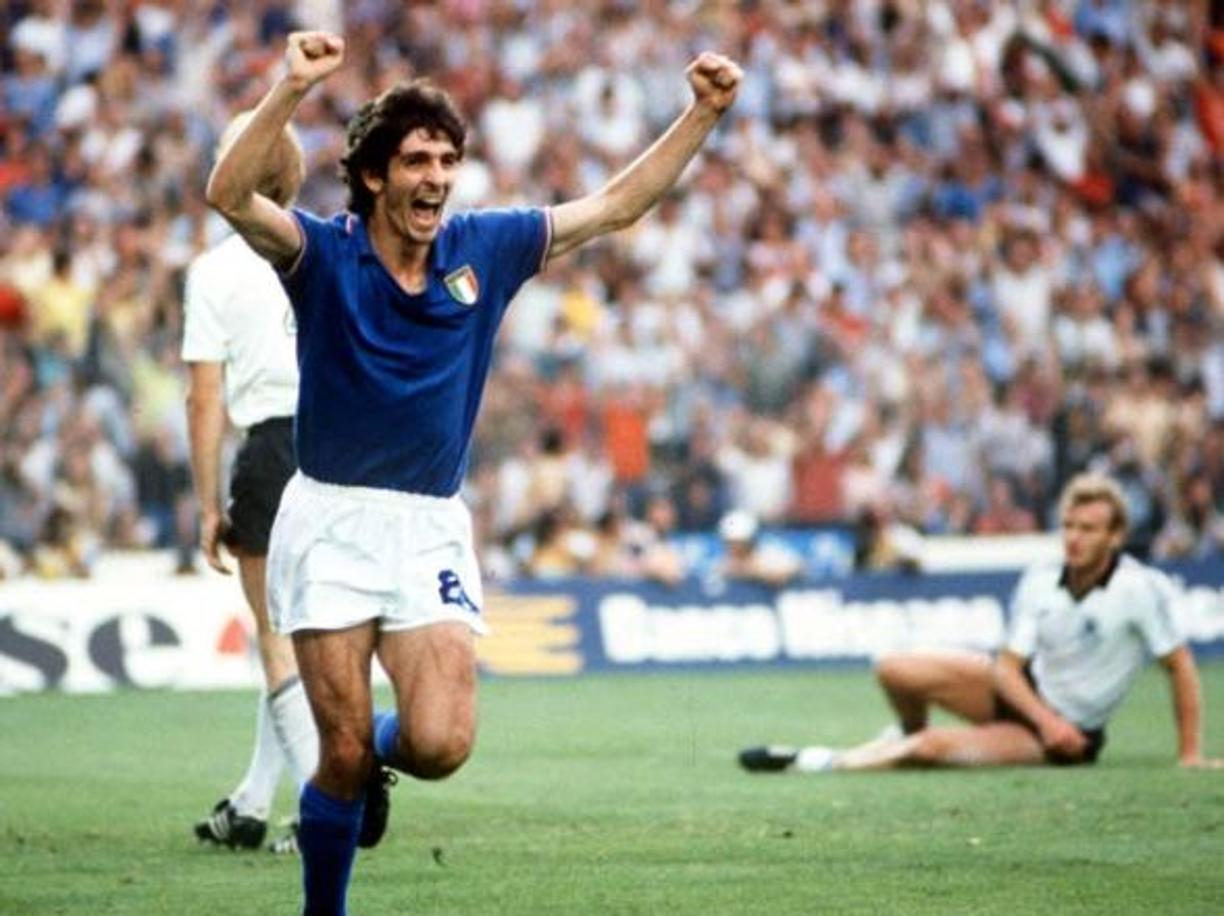
A team changes its destiny
The third World Cup came from a tournament started between doubts and draws. Then Bearzot's Italy surpassed Argentina and Brazil, finding in Paolo Rossi the protagonist of the decisive phase. The semi-final with Poland opened its way to Madrid, where they marked Rossi, Tardelli and Altobelli against West Germany.
The 3–1 of 11–07–1982 became a firm point for those who followed that path. The title tells the result; the way it was achieved tells the strength of a group that resisted initial difficulties. For this reason, 1982 continues to be remembered as a story, not only as a line in the golden pit.
Berlin and Wembley, two nights at the rigori
In 2006, Marcello Lippi's National Team returned world champion in Berlin. The final with France ended 1–1 after the extras; in the decisive series Italy made all five of its staff. The fourth star arrived twenty-four years after the Spanish victory, with a team that found decisive interpreters in each department.
The second European arrived at Wembley on 11-07-2021. The final with England ended 1–1 and required the rigours: the Azzurri imposed 3–2 in the series. The tournament retained the name of EURO 2020, although it was postponed one year for pandemic. In the palmarès the two dates remain connected: the name of the edition and the summer in which it was won are part of the same success.
Finals, podiums and absences
In addition to the victories, there are the World Finals of 1970 and 1994, third place in 1990, fourth in 1978 and the European Finals of 2000 and 2012. These are the results that tell how often Italy has come close to the finish line, and how different can be the memories left by a placement.
The picture also includes the least happy present: Italy did not participate in the World Cup of 2018, 2022 and 2026. In the last case, the shooting with Bosnia and Herzegovina ended on 1–1 and with a 4–1 defeat to the rigours. The titles of the past remain, but an updated page must also tell where the path has been interrupted. The Olympic medals, belonging to tournaments with different rules of participation over time, have a dedicated path on the Olympic National page.